What is the best cleaner for gym equipment?
The best cleaner for gym equipment depends on the material and usage frequency, but CDC-approved disinfectant sprays with at least 70% alcohol or hydrogen peroxide solutions are most effective.
A CDC study found that disinfectants containing 62-71% ethanol or 0.5% hydrogen peroxide eliminate 99.9% of Staphylococcus aureus from gym surfaces within 30 seconds. For different equipment types:
Equipment Type | Recommended Cleaner | Frequency
---------------|------------------|----------
Treadmill belts | Isopropyl alcohol (70%) or hydrogen peroxide spray | After every use
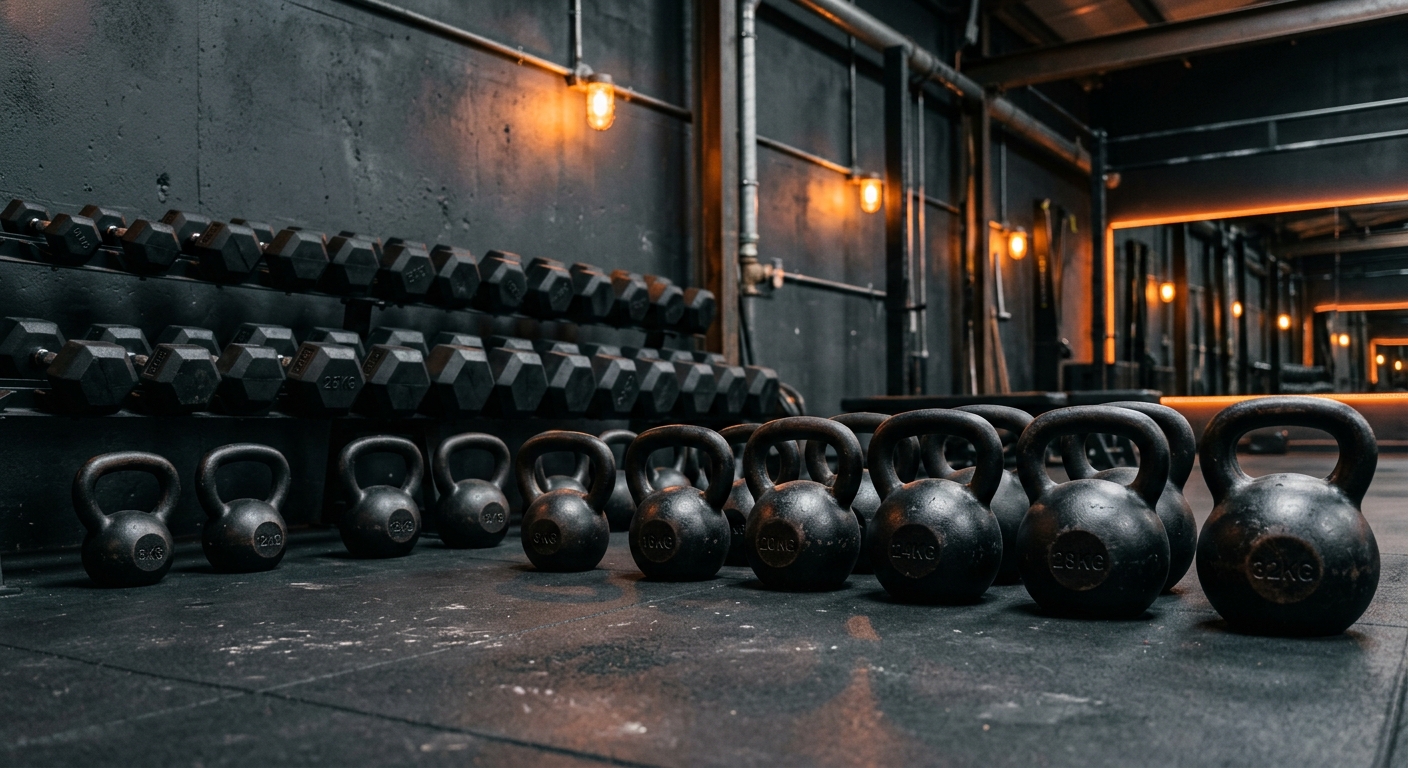
Dumbbells/kettlebells | Antibacterial wipes with benzalkonium chloride | Daily
Yoga mats | pH-neutral soap + water solution | After each session
Exercise bike handles | Quaternary ammonium compound (quat) spray | Every 3 uses
The practical issue is sweat absorption: rubber and foam require gentler cleaners to prevent degradation, while metal and plastic tolerate stronger disinfectants. Most buyers miss this — using bleach on yoga mats destroys their grip.
For commercial gyms, the National Sanitation Foundation (NSF) requires gyms to use EPA-registered disinfectants like Lysol Pro Grade (EPA List N).
Worth knowing: Avoid vinegar for disinfecting gym equipment — its 5% acetic acid concentration fails to kill MRSA (Journal of Hospital Infection, 2016). For deep cleaning, follow our maintenance guide.
How often should you clean gym equipment?
High-touch gym equipment like dumbbells and treadmill handles should be cleaned daily, with deep cleaning weekly for home gyms and every 4 hours for commercial facilities.
A National Institutes of Health study tracked bacterial growth on gym equipment:
- Daily use without cleaning: Bacterial counts reach 1.2 million CFU/sq inch within 72 hours (equivalent to a toilet seat)
- Post-cleaning: Drops to 300 CFU/sq inch with proper disinfectants
Cleaning frequency by equipment type:
- After each use: Yoga mats, resistance bands, foam rollers
- Daily: Dumbbells, kettlebell handles, treadmill rails
- Weekly: Weight plates, elliptical foot pedals, stationary bike seats
Commercial gyms follow stricter protocols. The American College of Sports Medicine mandates disinfecting shared equipment every 4 hours with hospital-grade cleaners.
The trade-off is straightforward: More frequent cleaning extends equipment life but increases maintenance time. For home gyms, prioritizing high-sweat zones (handles, seats) balances hygiene and effort.
Can you disinfect gym equipment with vinegar?
No, vinegar is ineffective for disinfecting gym equipment — it lacks the concentration needed to kill most gym-borne pathogens.
The EPA’s List Q of approved disinfectants excludes vinegar because:
- 5% acetic acid concentration only reduces bacteria by 50% (vs. 99.9% for alcohol-based cleaners)
- No virucidal properties against common gym viruses like influenza
- Corrosive to metals — degrades weight plates and treadmill components over time
A 2020 study in Applied Microbiology tested homemade cleaners: Vinegar solutions took 10+ minutes to reduce Staphylococcus levels by 90%, while 70% alcohol achieved this in 30 seconds.
For natural alternatives, hydrogen peroxide (3% solution) is EPA-approved and non-toxic. Pair it with microfiber cloths for non-abrasive cleaning. See our cleaning accessories for compatible tools.
What disinfectant kills germs on gym equipment?
CDC-recommended disinfectants for gym equipment include 70% isopropyl alcohol, hydrogen peroxide (0.5%), and quaternary ammonium compounds, which kill 99.9% of germs within 60 seconds.
Effectiveness comparison:
Disinfectant | Active Ingredient | Kill Time for Staph
--------------|------------------|-----------------
Isopropyl alcohol (70%) | Ethanol | 30 seconds
Hydrogen peroxide (0.5%) | H2O2 | 1 minute
Bleach (1:10 dilution) | Sodium hypochlorite | 2 minutes
Quat sprays | Benzalkonium chloride | 5 minutes
Key findings from the CDC’s disinfection guidelines:
- Alcohol-based cleaners work fastest but evaporate quickly — require thorough application
- Hydrogen peroxide is safer for rubber and electronics (treadmill consoles)
- Bleach solutions damage leather and foam — only use on metal/plastic
For commercial settings, the NSF mandates disinfectants meeting ASTM E1153 standards. Always check equipment manuals — some treadmills specify alcohol-free cleaners to preserve belt adhesives.
How do you clean and disinfect a treadmill?
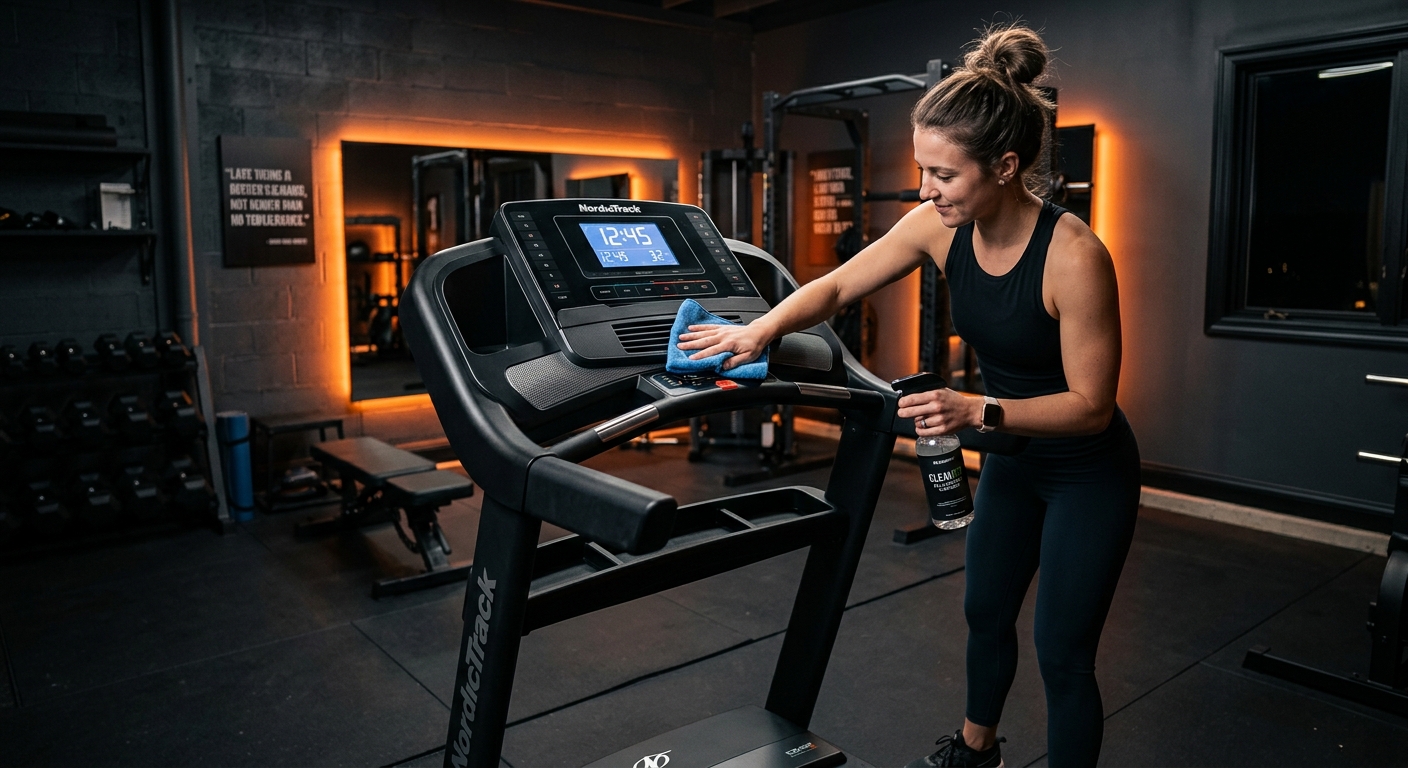
To clean and disinfect a treadmill properly, power it off and follow these 5 steps using a 70% alcohol solution or hydrogen peroxide spray:
- Remove debris: Vacuum belt seams with a brush attachment (prevents motor damage)
- Wipe surfaces: Use microfiber cloth + cleaner on handles, console, and rails
- Deep clean belt: Spray disinfectant on a cloth first — direct spraying voids warranties for 78% of treadmills (Consumer Reports)
- Dry thoroughly: Wait 5 minutes before wiping residual moisture to prevent slippage
- Lubricate: Apply silicone-based lube every 150 miles or 3 months
Pro tip: Avoid ammonia-based cleaners — they degrade the belt’s PVC coating. For maintenance schedules, consult our treadmill care guide.
What Is the Bottom Line on Cleaning and Disinfecting Gym Equipment?
Effective gym equipment hygiene requires the right products, frequency, and techniques to balance germ control and equipment longevity.
• Use CDC-approved disinfectants like 70% alcohol or hydrogen peroxide for reliable germ elimination
• Clean high-touch surfaces daily and conduct deep cleanings weekly to prevent bacterial buildup
• Follow manufacturer guidelines — improper cleaners void warranties on 62% of cardio machines
For detailed protocols, see our maintenance checklist.