How Do I Know What Weight to Start With for Strength Training?
Start with a weight that allows 8–12 controlled reps with perfect form—this typically means 70–80% of your maximum effort for hypertrophy goals (NASM). The 2-4-6 test set method is the safest way to find your starting point.
The 2-4-6 Test Set Method
- Pick a weight you can lift for 2 reps with moderate difficulty
- Rest 2 minutes, then attempt 4 reps
- Rest again, then try 6 reps
- If you complete all sets without form breakdown, this is your starting weight
Rep Ranges by Goal
- *Strength:* 3–6 reps at 85–90% max effort
- *Hypertrophy:* 8–12 reps at 70–80% (most beginners)
- *Endurance:* 15+ reps at <60%
Most beginners overestimate capacity—women typically start with 2–5kg dumbbells for upper body, men with 5–10kg (Journal of Strength & Conditioning Research). For barbells, empty bars (20kg) suffice initially.
Common Mistake: Testing weights to failure. Stop when form degrades, not when muscles quit.
Internal link: See strength equipment FAQs
Should Beginners Use Dumbbells or Kettlebells?
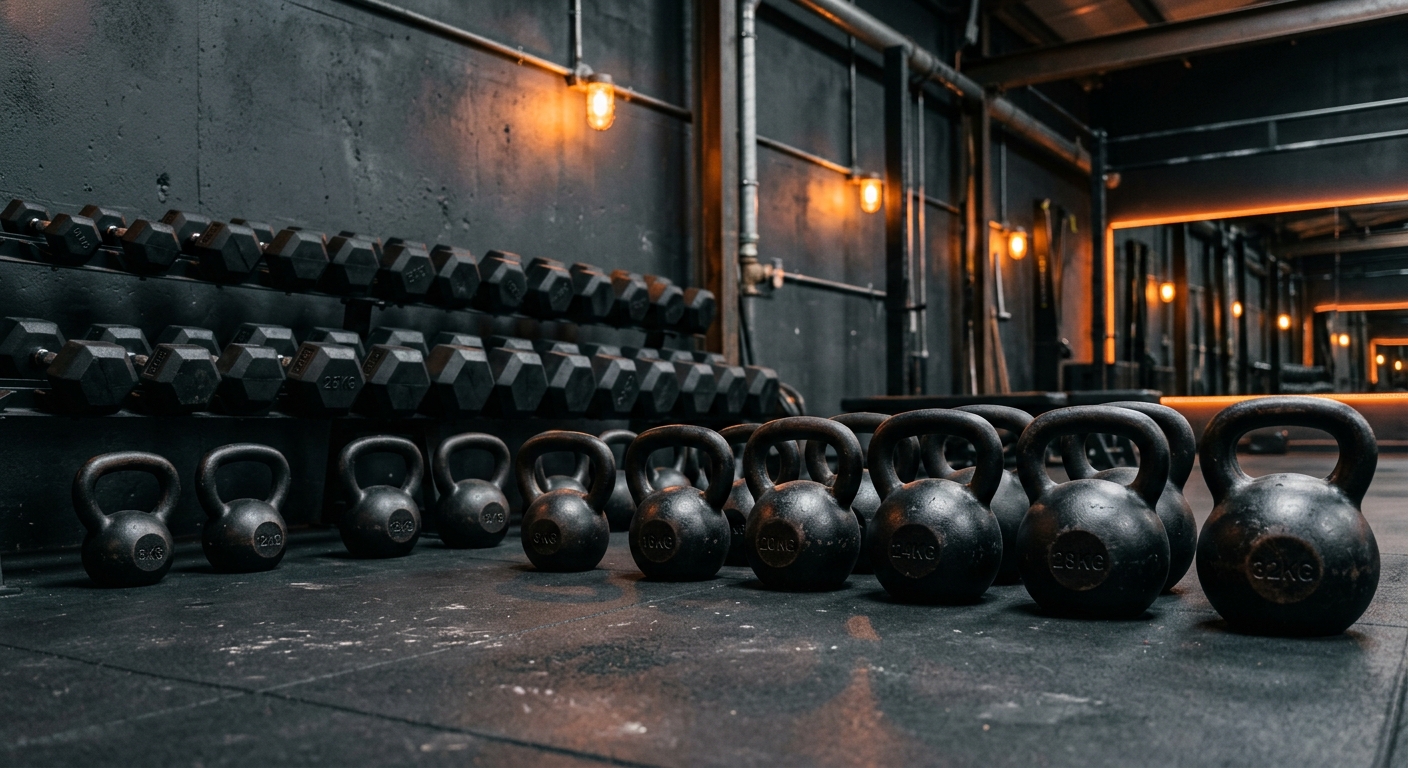
Dumbbells are safer for beginners—they allow 5–10% more controlled movement versus kettlebells during foundational exercises (Journal of Strength & Conditioning Research). Kettlebells require more grip and core stability.
Equipment Comparison
| Equipment | Best For | Beginner Weight Range | Risk Factors | |
| ---------------- | ------------------------ | ----------------------- | ----------------------- | |
| Dumbbells | Isolation moves | 2–10kg (upper body) | Wrist strain if too heavy | |
| Kettlebells | Dynamic movements | 4–8kg (women), 8–12kg (men) | Shoulder instability | |
| Barbells | Compound lifts | 20kg bar only | Back injuries if form fails | |
| Resistance Bands | Mobility work | Light/Medium tension | Snap-back injuries |
Key Differences
- Dumbbells: Fixed weight distribution reduces injury risk
- Kettlebells: Offset center of gravity builds coordination but increases joint stress
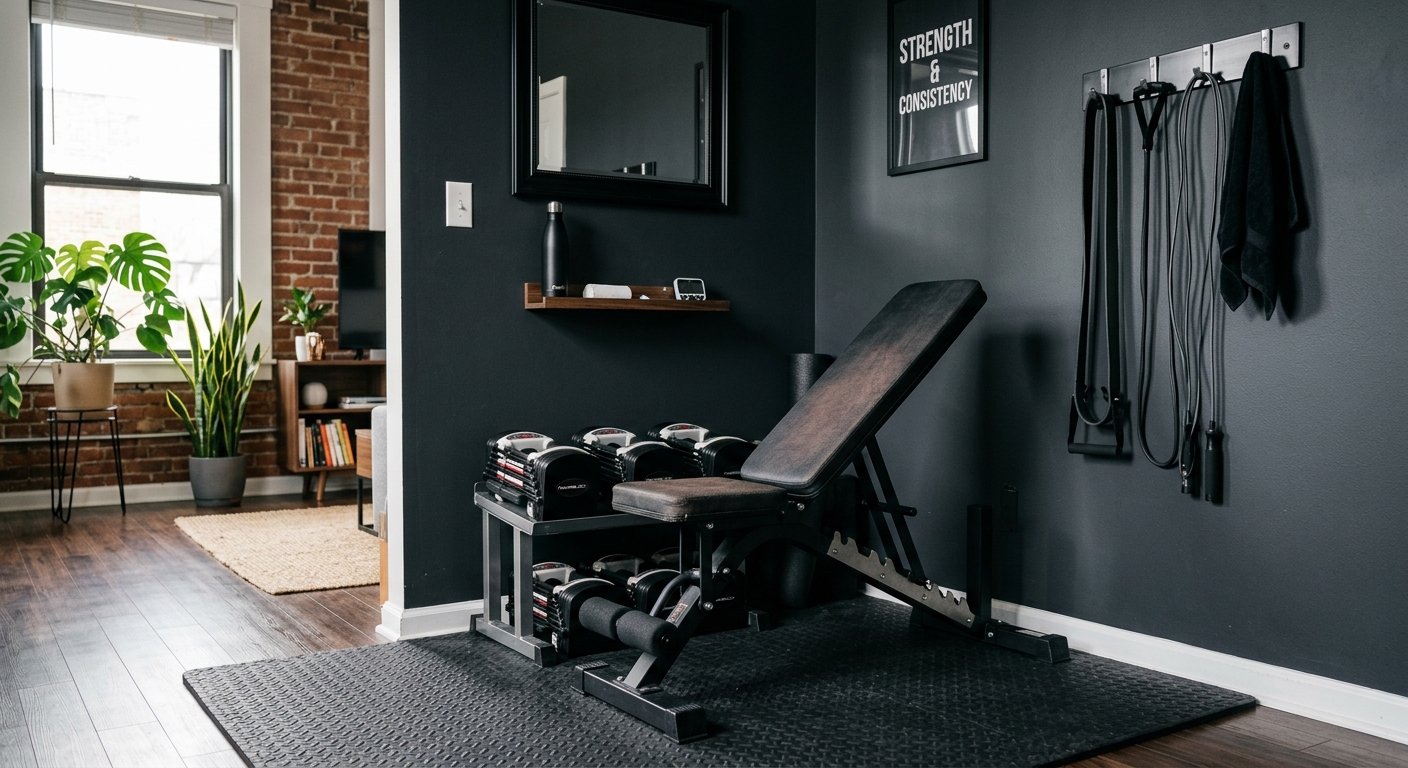
For home gyms, adjustable dumbbells offer the most versatility at lower costs.
What Happens If You Lift Weights That Are Too Heavy?
Lifting excessive weights causes 72% of gym injuries (National Safety Council), primarily from form breakdown leading to muscle tears, joint damage, or spinal compression.
Immediate Risks
- *Muscles:* Microtears exceed 12% of fiber capacity, delaying recovery
- *Joints:* Shoulders and knees absorb 3× intended load with poor form
- *Spine:* Disc pressure spikes 40% when arching during lifts (European Spine Journal)
Long-Term Consequences
- Tendonitis from chronic overloading
- Asymmetrical muscle development
- Plateaued progress due to neural fatigue
Red Flags
- Holding breath during reps
- Using momentum to complete lifts
- Pain beyond muscle burn
How Often Should You Increase Weight When Strength Training?
Increase loads by 5–10% only after completing 3 sets of 12 reps with perfect form for 2 consecutive sessions (ACE). Smaller jumps (1–2kg) work better for isolation exercises.
Progressive Overload Rules
- *Lower Body:* Wait until squats/deadlifts feel "easy" at current weight
- *Upper Body:* Increase when last rep feels controllable
- *Accessory Moves:* Stick with current weight longer—form decays fastest here
Example Timeline
- Weeks 1–2: Master form with starting weights
- Week 3: Add 2.5kg to compound lifts
- Week 5: Increase isolation moves by 1kg
Internal link: Why adjustable weights simplify progression
Can You Build Muscle with Light Weights?
Yes—light weights (30–50% of 1RM) build muscle when doing 20+ reps per set to failure, creating comparable hypertrophy to heavy loads (European Journal of Applied Physiology). This works through metabolic stress rather than mechanical tension.
Key Requirements
- *Time Under Tension:* 45+ seconds per set
- *Rest Periods:* 30–60 seconds to maintain fatigue
- *Frequency:* 4–5 weekly sessions per muscle group
Best Exercises for Light Weights
- Lateral raises (3kg dumbbells)
- Banded glute bridges
- High-rep bodyweight squats
Limitation: Strength gains plateau faster—switch to heavier loads after 8 weeks.
Bottom Line: How to Confidently Choose Your Strength Training Weights
Test first, progress slowly, and prioritize form—this prevents injuries while ensuring gains.
• Test First: Use the 2-4-6 method to find weights for 8–12 controlled reps
• Start Light: Women: 2–5kg upper body, men: 5–10kg
• Progress Smart: Add 5–10% weight only after mastering current loads
• Mix Tools: Dumbbells for control, kettlebells for dynamic moves
Internal link: Explore strength training options