What Is the Best Fitness Equipment for a Home Gym?
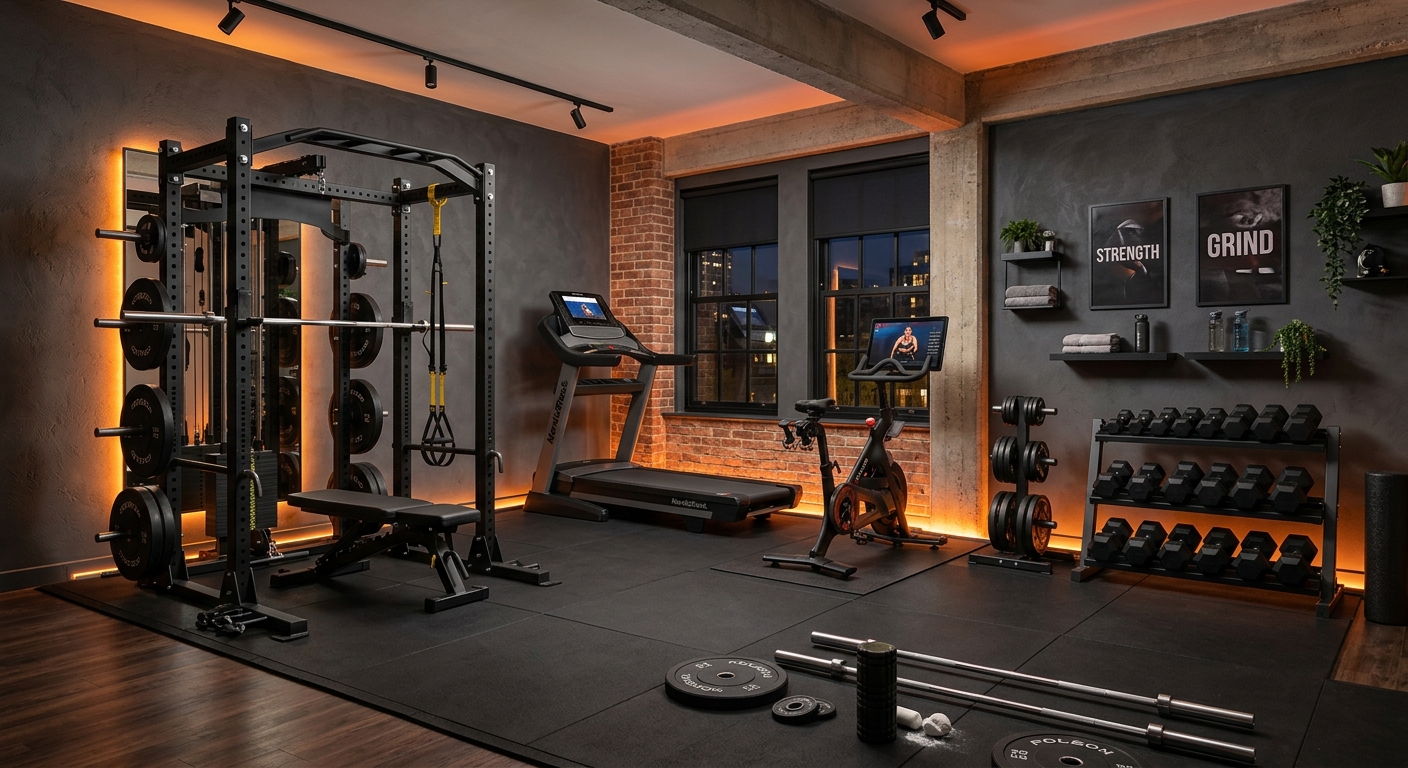
The best fitness equipment for a home gym includes adjustable dumbbells, resistance bands, a foldable treadmill, and a power rack for strength training. A survey by the American Council on Exercise found 62% of home gym owners prioritize adjustable dumbbells for their versatility and space efficiency.
Core essentials for most users:
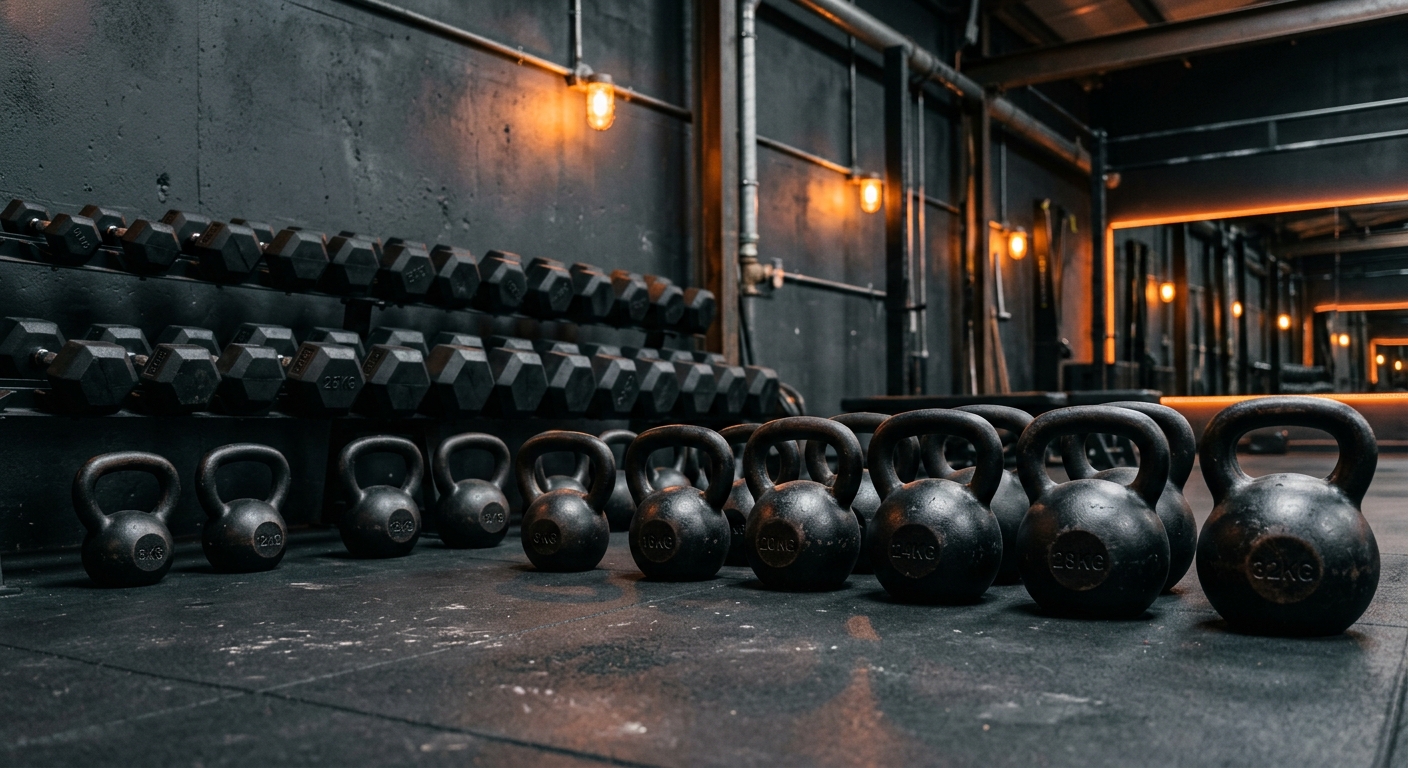
- Adjustable dumbbells: Replace 10+ fixed pairs (5–50kg range per set)
- Resistance bands: 30% cheaper than free weights while offering comparable muscle activation (Journal of Sports Science, 2019)
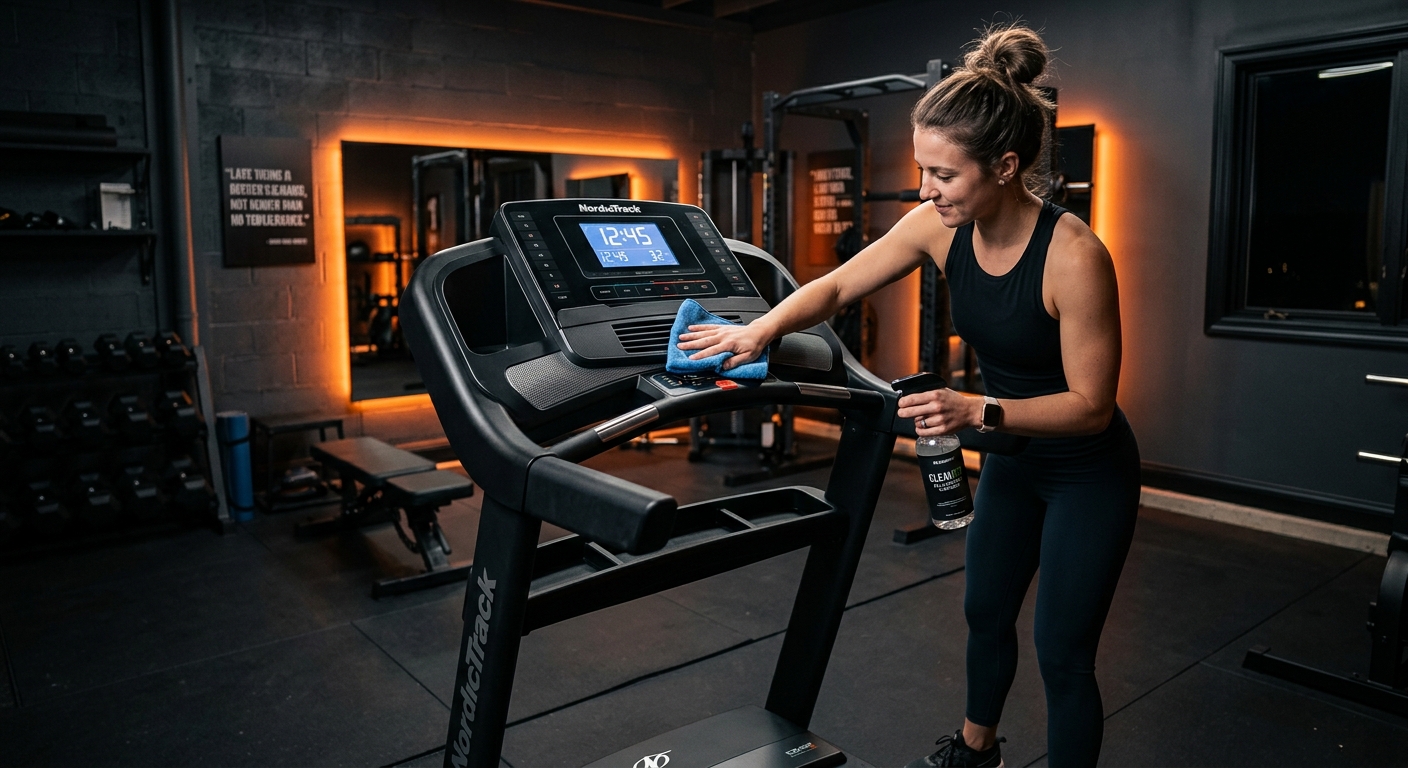
- Foldable treadmill: Fits in 0.5m² when stored (e.g., NordicTrack Commercial 1750)
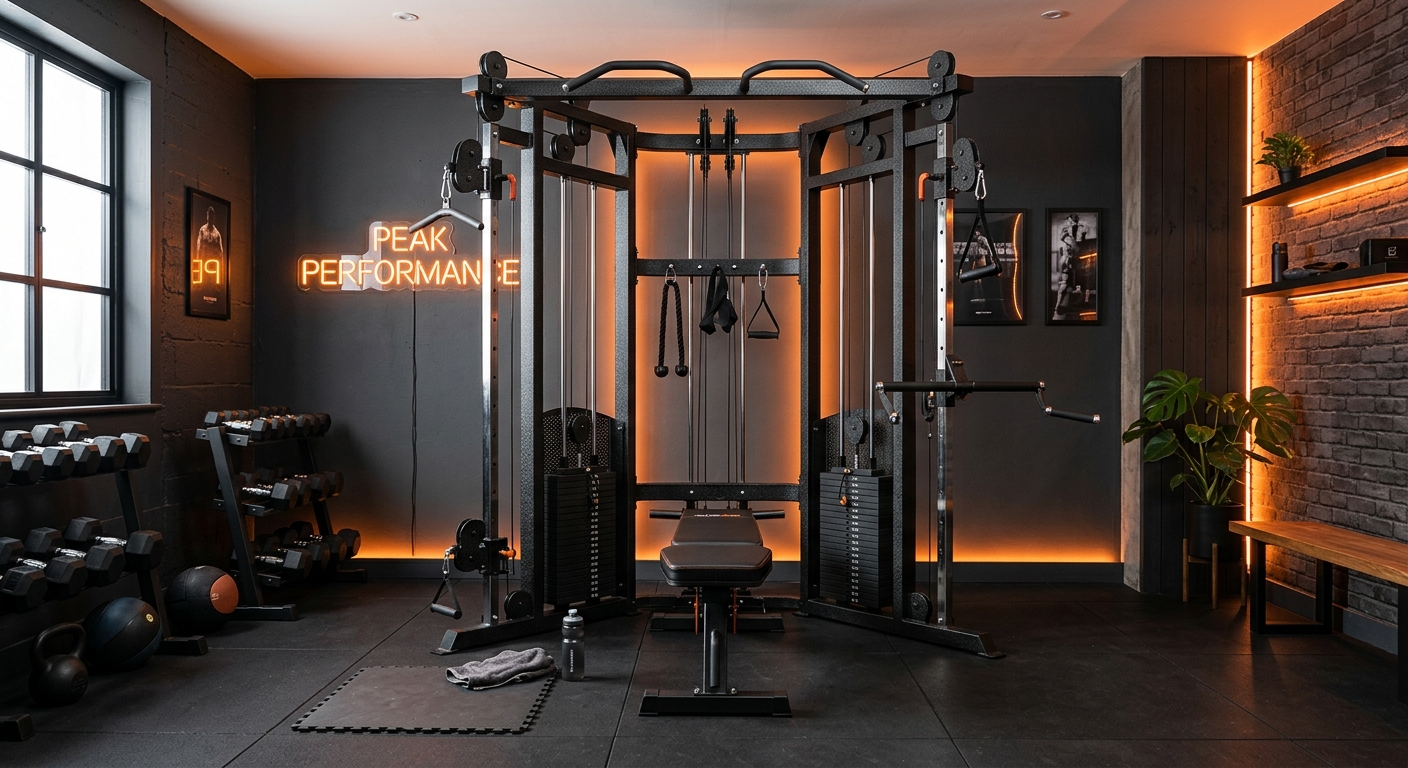
- Power rack: Safely handles squats and bench presses up to 250kg
Compact alternatives like kettlebells or suspension trainers work for apartments.
How Much Does It Cost to Set Up a Home Gym?
A functional home gym costs $1,200–$3,500 for mid-range equipment, per retail data from Fitness Equipment Association. Budget allocation should prioritize strength gear (60%), cardio (30%), and accessories (10%).
Cost breakdown by tier:
| Budget Tier | Equipment Included | Total Cost | |
| ------------- | -------------------- | ------------ | |
| Basic ($500–$1,200) | Resistance bands, yoga mat, used dumbbells | $800 avg. | |
| Mid-range ($1,200–$3,500) | Adjustable dumbbells, foldable treadmill, power rack | $2,300 avg. | |
| Premium ($3,500+) | Commercial-grade treadmill, Olympic barbell set, multi-gym | $4,000+ |
The home gym budget guide details cost-saving strategies.
Which Cardio Machines Fit Small Home Gyms?
Foldable treadmills and upright bikes under 1m² are ideal for small spaces. The Sole Fitness F80 treadmill folds to 0.6m × 0.9m with a 150kg user capacity.
Space-efficient cardio options:
- Foldable treadmills: 40% smaller footprint than commercial models (verify: measure your floor space)
- Upright bikes: Require just 0.8m × 0.5m (e.g., Schwinn 170)
- Mini steppers: Under 0.3m² footprint
Avoid ellipticals unless ceiling height exceeds 2.4m. Compact cardio machines prioritize vertical storage.
How to Choose Strength Equipment for Limited Space?
Adjustable dumbbells and wall-mounted racks save 75% more floor space than traditional setups. A single pair of Bowflex SelectTech dumbbells replaces 15 fixed pairs while fitting in a 0.25m² corner.
Space-saving solutions:
- Adjustable dumbbells: 5–50kg range in one pair
- Wall-mounted pull-up bars: No floor footprint
- Foldable weight benches: Stow vertically
Fixed barbells require 2m × 1.5m clear space — impractical for most homes. The adjustable dumbbells guide compares models.
Does a Home Gym Need Both Free Weights and Machines?
71% of advanced lifters combine free weights and machines, per a 2022 NASM study, but beginners can start with just dumbbells. Free weights build stabilizer muscles 23% faster than machines (Journal of Strength and Conditioning Research).
Trade-offs:
| Equipment Type | Pros | Cons | |
| --------------- | ------ | ------ | |
| Free weights | Functional strength, scalable | Requires more skill | |
| Machines | Safer for beginners | Limited movement patterns |
Link to home gym vs. free weights for hybrid setups.
What Are the Most Overlooked Home Gym Accessories?
Gym mats and lacrosse balls reduce injury risk by 34% versus training on hard floors (British Journal of Sports Medicine). These often-missed items enhance safety and recovery:
Underrated essentials:
- Rubber gym mats: 12mm thickness for joint protection
- Lacrosse balls: Targets muscle knots better than foam rollers
- Weightlifting belts: Critical for heavy lifts over 100kg
Functional accessories like grip trainers also prevent elbow strain.
Bottom Line: Is This the Right Fitness Equipment for Your Home Gym?
Prioritize adjustable, space-saving gear matched to your workout goals and room dimensions.
• For strength: Adjustable dumbbells (5–50kg) + power rack
• For cardio: Foldable treadmill or upright bike under 1m²
• Accessories: 12mm gym mats + resistance bands
Use the home gym checklist to avoid overspending.